

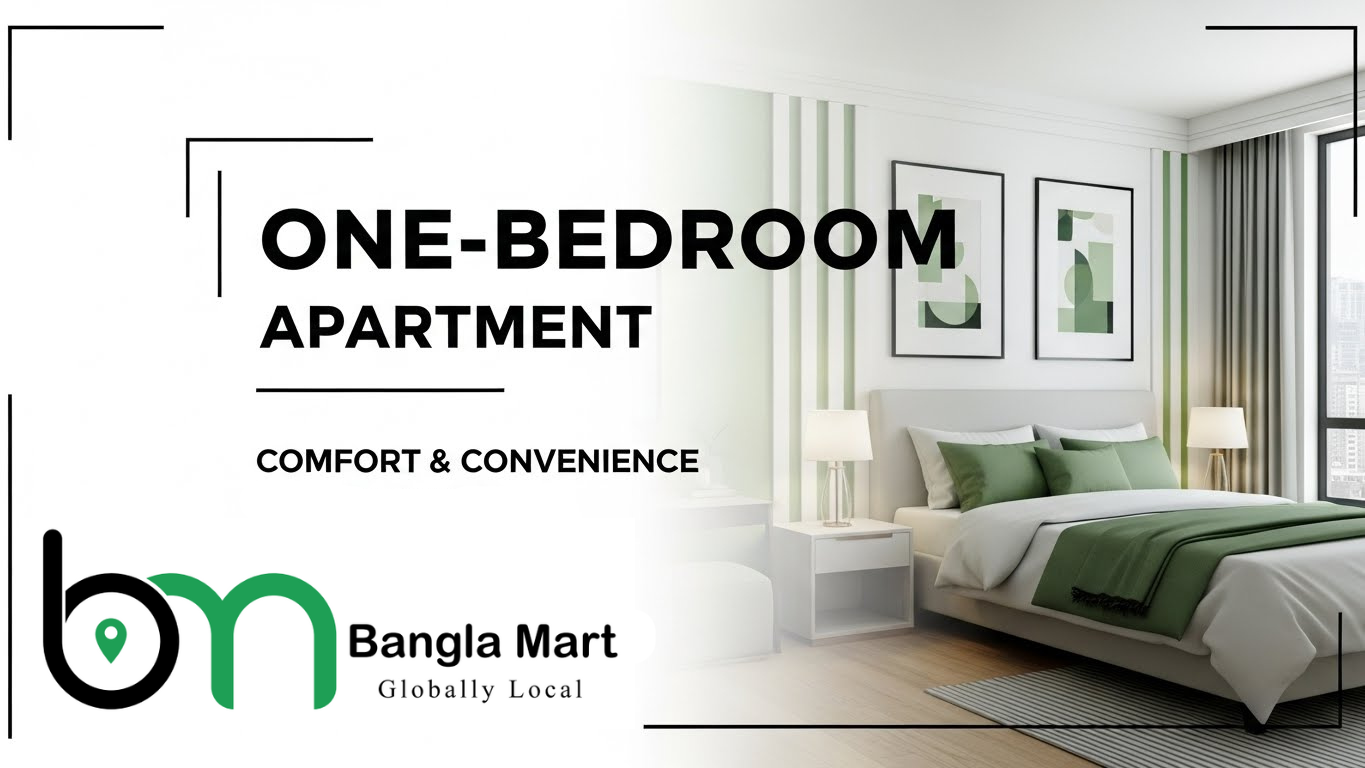
A One-Bedroom-Apartment is more than just a compact rental—it is a structured, self-contained home built for professional, long-term living. With defined zones for sleeping, living, cooking, and hygiene, it allows residents to maintain privacy, organization, and financial control in a single, efficient footprint.
When selected using clear criteria—budget, layout, quality, and long-term fit—a One-Bedroom-Apartment becomes a strategic housing choice that supports stability, productivity, and everyday comfort.
Key Takeaways
- A One-Bedroom-Apartment offers a separate bedroom, living area, kitchen, and bathroom in a compact, self-contained layout.
- It suits professionals, couples, and remote workers who need privacy and clear work–life separation.
- Compared with studios, it delivers stronger privacy, better sleep quality, and more flexible hosting.
- An affordable 1-bedroom supports long-term rental stability, efficient space use, and controlled housing costs.
What Is a One-Bedroom Apartment?
A One-Bedroom-Apartment is a complete residential unit that includes:
- One fully enclosed bedroom with walls and a door
- A separate living area
- A dedicated kitchen
- A private bathroom
Unlike a studio, where the bed shares space with the living and sometimes kitchen areas, a One-Bedroom-Apartment gives you a clear physical divide between where you sleep and where you live, work, and host.
This separation transforms limited square footage into a fully functional home, supporting healthier routines, better rest, and a more organized daily life.
Core Services and Features of a One-Bedroom Apartment
A strong One-Bedroom-Apartment is built around practical, well-defined zones that each serve a specific function. By designing the bedroom, living area, kitchen, and bathroom as separate, usable spaces, the unit can operate as a compact but complete home suited to sustained daily use.
Bedroom
The bedroom is an enclosed room with a door, providing a primary area for sleep, rest, and personal privacy. It usually accommodates:
- A bed and mattress
- Wardrobe or built-in closet
- Personal storage such as drawers or side tables
This setup allows residents to keep their sleeping environment calm and separate from daytime activities.
Living Area
The living area serves as the main environment for everyday life and social interaction. It typically offers:
- Space for a sofa, coffee table, and TV
- Optional area for a small dining set
- Flexible zone for a workstation or hobby corner
This room adapts to work, relaxation, and hosting needs without encroaching on the bedroom.
Kitchen
The kitchen is a functional zone dedicated to food preparation and storage. A typical configuration includes:
- Countertop and sink
- Cabinets and storage shelves
- Connections for cooking appliances and refrigerator
Such a layout supports regular home‑cooked meals, enabling better diet control and reduced dependence on takeaway food.
Bathroom
The bathroom provides a private hygiene area separated from living and sleeping spaces. It generally includes:
- Toilet
- Shower or bathtub
- Wash basin
This separation improves hygiene, comfort, and privacy for both residents and guests.
Utilities and Connectivity
Most One-Bedroom-Apartments are equipped for modern, connected living. Standard provisions include:
- Electricity and water supply
- Basic plumbing and power points
- Access to internet and TV connections
- Building-level services such as waste disposal and common area maintenance
Together, these core services make a One-Bedroom-Apartment a self-sufficient residential unit that can reliably support daily routines over the long term.
Who Is a One-Bedroom-Apartment Best For?
A One-Bedroom-Apartment suits residents who want more structure and privacy than a studio while keeping costs practical.
Working professionals – need a quiet base near work or transport and separation between job stress and personal time.
Couples – prefer a private bedroom plus shared living space for relaxing, streaming, and dining together.
Remote or hybrid workers – use the living area as a workstation and keep the bedroom as a rest zone.
Long‑term tenants – value stability, routine, and consistent comfort instead of frequently changing shared housing.
When lifestyle priorities include privacy and efficiency, a One-Bedroom-Apartment is a rational long-term housing choice.
Why a One-Bedroom Apartment Is a Smart Lifestyle Choice
Renting a One-Bedroom-Apartment is a strategic lifestyle choice for residents who value mental clarity, personal boundaries, and long-term comfort, not just a place to sleep. Separate rooms let work, rest, and leisure occupy clearly defined zones.
With a distinct bedroom and living area, you gain:
Genuine privacy – close the bedroom door and keep personal space separate from guests, calls, and daily activity.
Mental separation – different zones for work, relaxation, and rest.
Daily flexibility – living room as office, lounge, or social space.
For long-term thinkers, this creates a mature, well-organized life balance.
Financial Benefits of an Affordable 1-Bedroom Rental
An affordable 1-bedroom apartment combines the privacy of a standalone home with disciplined cost control, preserving quality of life without the higher rents, utilities, and furnishing costs of larger properties.
Key financial advantages include:
Budget stability – predictable monthly costs when rent and utilities stay within a set range.
Lower setup costs – fewer rooms mean less spending on furniture, appliances, and décor.
Efficient use of space – you only pay for the space you use daily.
Room to invest in essentials – savings can go to better bedding, ergonomic seating, lighting, and efficient appliances.
This balance supports savings, financial resilience, and a comfortable home.
Comparing 1 Bedroom vs. Studio Apartments
Both 1‑bedroom and studio apartments are compact housing options, but they create very different day-to-day experiences. For residents planning to stay more than a few months, the choice between these formats has direct implications for privacy, sleep quality, and work-life balance.
Core Differences
| Aspect | 1-Bedroom Apartment | Studio Apartment |
|---|---|---|
| Bedroom | Separate, enclosed room | Integrated into main living area |
| Privacy | High | Low to medium |
| Sleep Quality | Better (noise/light separation) | Often weaker (same open space) |
| Hosting Guests | Easier – bedroom stays private | Harder – bed always visible |
| Typical Rent | Higher than a studio, lower than multi-bed units | Usually the lowest self-contained option |
| Best Suited For | Long-term tenants, couples, and remote workers | Very tight budgets, short stays, minimal space needs |
When a 1‑Bedroom Is the Better Choice
A 1‑bedroom is typically the stronger option when you:
- Need true privacy for rest and personal time
- Expect to live in the same place longer than a few months
- Work from home or regularly bring work home
- Prefer to host guests without exposing your sleeping area
For serious professionals and long‑term planners, a 1‑bedroom generally offers more sustainable comfort and flexibility than a studio apartment.
Tips for Finding Affordable 1-Bedroom Apartments
Securing an affordable 1‑bedroom apartment is easier when approached systematically. The aim is not just to pay the lowest rent, but to secure the best value relative to quality, layout, and long-term suitability.
- Define Your Total Housing Budget
Start with an all-in monthly figure that includes:
- Rent
- Utilities (electricity, water, heating or cooling if applicable)
- Internet and any building or service fees
Focusing on the total monthly cost, rather than only the advertised rent, helps avoid financial surprises later.
- Prioritize the Essentials
Evaluate each One-Bedroom-Apartment using core criteria first:
- Functional layout and usable floor space
- Natural light and cross‑ventilation
- Condition of kitchen and bathroom
- Noise levels and general building upkeep
Details such as wall color or minor décor issues can typically be addressed at relatively low cost after move-in.
- Compare Multiple Options Side by Side
Shortlist several 1‑bedroom units and rate them using the same checklist. Pay attention to:
- Price relative to size and condition
- Layout efficiency and storage capacity
- Proximity to workplaces, transport, and key services
This structured comparison highlights genuine value instead of units that are merely cheap for underlying reasons.
- Read the Lease With Precision
Carefully review:
- Deposit amount and refund conditions
- Notice period and renewal terms
- Rent increase clauses and review dates
- Responsibility for repairs and routine maintenance
Clear understanding of these points reduces the risk of unexpected costs or disputes during the tenancy.
- Test Long-Term Fit
Before committing, visualize at least the next 12–24 months in the space:
- Where will you work if you work from home?
- Is there adequate storage for current and future needs?
- Does the layout align with your routine for waking, working, cooking, relaxing, and sleeping?
If a 1‑bedroom performs well under this long-term lens, it is more likely to stay comfortable, practical, and cost-effective over time.
Banglamart: One-Bedroom Apartments That Meet All These Criteria
Conclusion
A One-Bedroom-Apartment is more than a compact rental; it is a structured, self-contained home designed for sustained, professional living. With dedicated zones for sleeping, living, cooking, and hygiene, it enables residents to maintain privacy, order, and financial control within a single, efficient footprint.
When selected using clear criteria such as budget, layout, building quality, and long-term fit, a One-Bedroom-Apartment becomes a strategic housing choice that supports stability, productivity, and everyday comfort across the full rental term.
FAQ
A 1-bedroom feels spacious when it has open sight lines, large windows, minimal hallways, and enough room to walk around furniture comfortably. Simple layouts, good natural light, and built‑in storage make a big difference in how large it feels.
Check water pressure, natural light, ventilation, and noise from neighbors or the street. Look for signs of damp or damage, test doors, windows, and outlets, and inspect the kitchen and bathroom carefully, as they affect daily comfort the most.
Common extra costs include application fees, security deposit, move‑in or elevator fees, parking, internet, building or service charges, and cleaning fees. Also, check how often rent can increase and by how much at renewal.
Research similar listings in the area, try to move during a less busy season, and offer a longer lease. Ask if rent is flexible, or if they can include utilities, minor upgrades, or parking instead of lowering the price.
Think about possible changes in your job, relationship, work‑from‑home needs, and budget. Imagine your daily routine in that apartment in 3–5 years and ask whether the space, location, and total monthly cost will still fit your lifestyle.

